Automatic pedestrian signal extension
Analyze crossing pedestrians to support decisions when interfacing with signal controllers

ROAD · SMART TRAFFIC
From pedestrian safety and emergency response to intersection awareness and integrated management.
We connect signals and information in the field to support traffic operations.
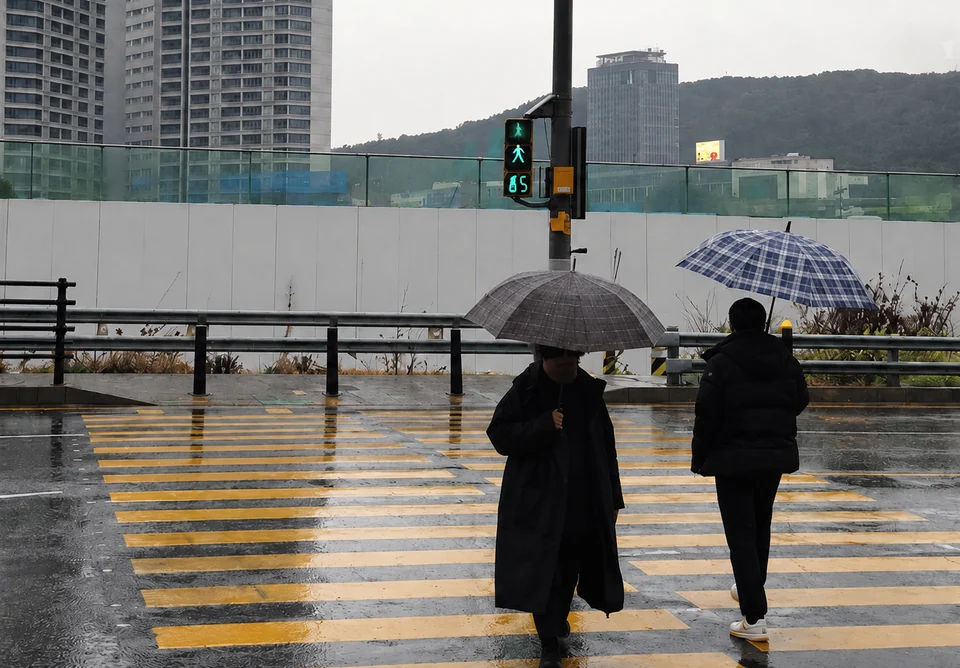
PEDESTRIAN FIRST
AI analyzes pedestrian presence and crossing status and connects this information to the local signal system. It supports operations that account for different walking speeds, including those of children and older people.
Analyze crossing pedestrians to support decisions when interfacing with signal controllers
Guidance based on red and green signals and approaching vehicles
Detect pedestrian presence and interface with local signal operations
EMERGENCY VEHICLE PRIORITY
Check locations, response routes and target intersections
Submit requests based on signal controller and control center integration conditions
Check local signal conditions and return to the normal cycle
Review request, processing and operations history
ROAD PORTFOLIO
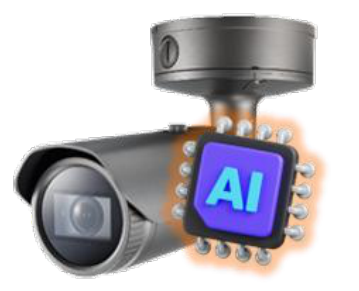 On-Device AI Camera
ROAD · ON-DEVICE AI
An intersection that responds to pedestrians’ pace.
CRE-IPCS-007 (CW-IPC-BL)View details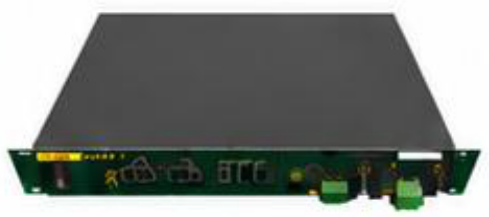 Interface for signals and guidance
ROAD · INTERFACE
Connecting field decisions to safety guidance.
View details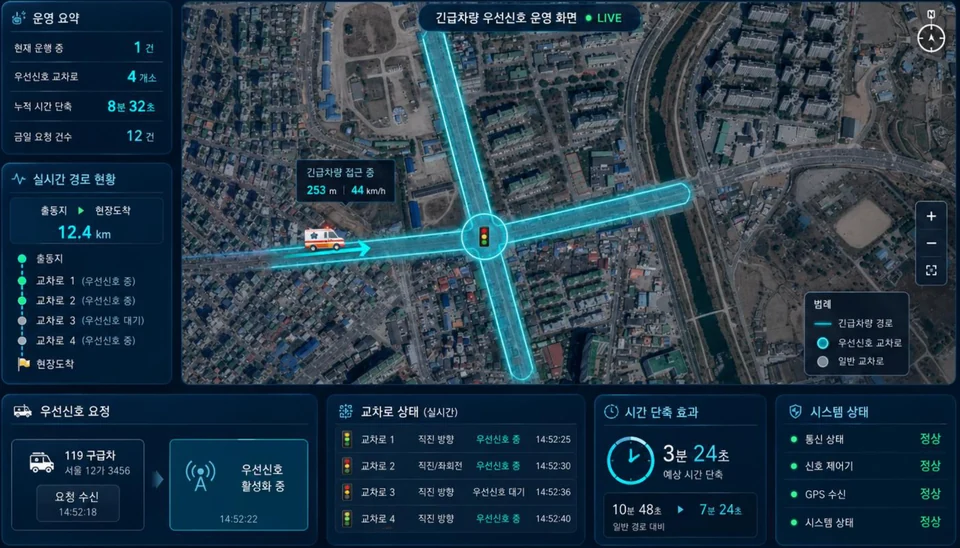 Response routes and signal priority operations
ROAD · PRIORITY
Coordinating signals along response routes.
View details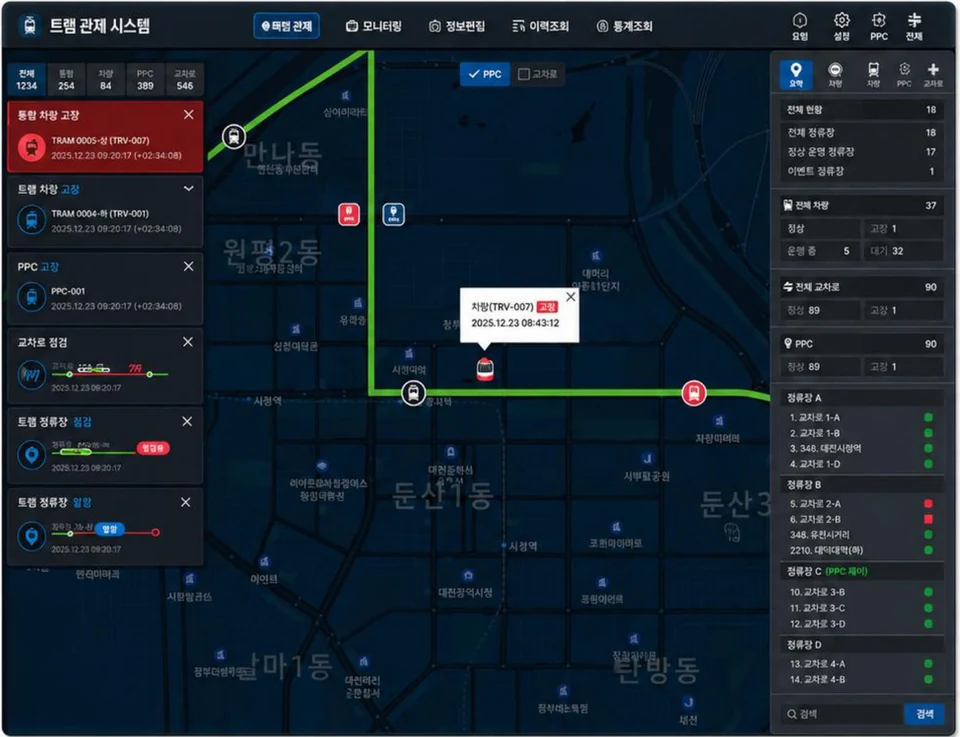 Integrated Tram Operations and Signal Priority Control
TRAM · SIGNAL PRIORITY
Coordinating intersection traffic as trams approach.
View details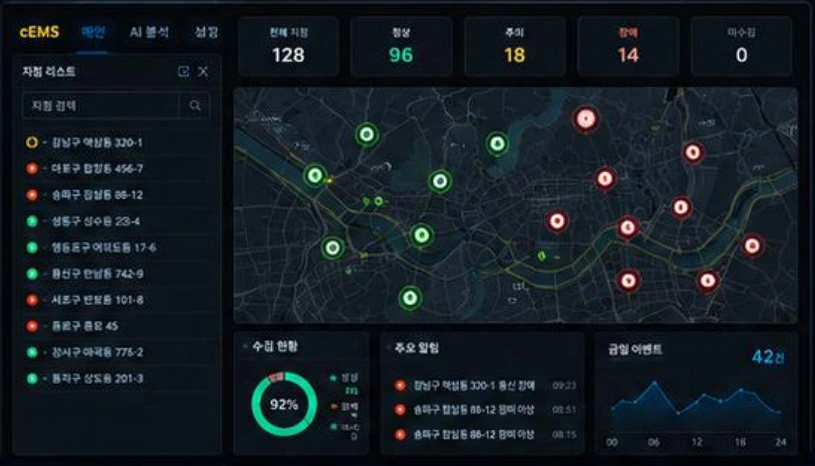 VLM/LLM Intelligent Integrated Control
AI · OPERATION
Integrated field management with a proposed VLM/LLM configuration for analysis and evidence review.
View details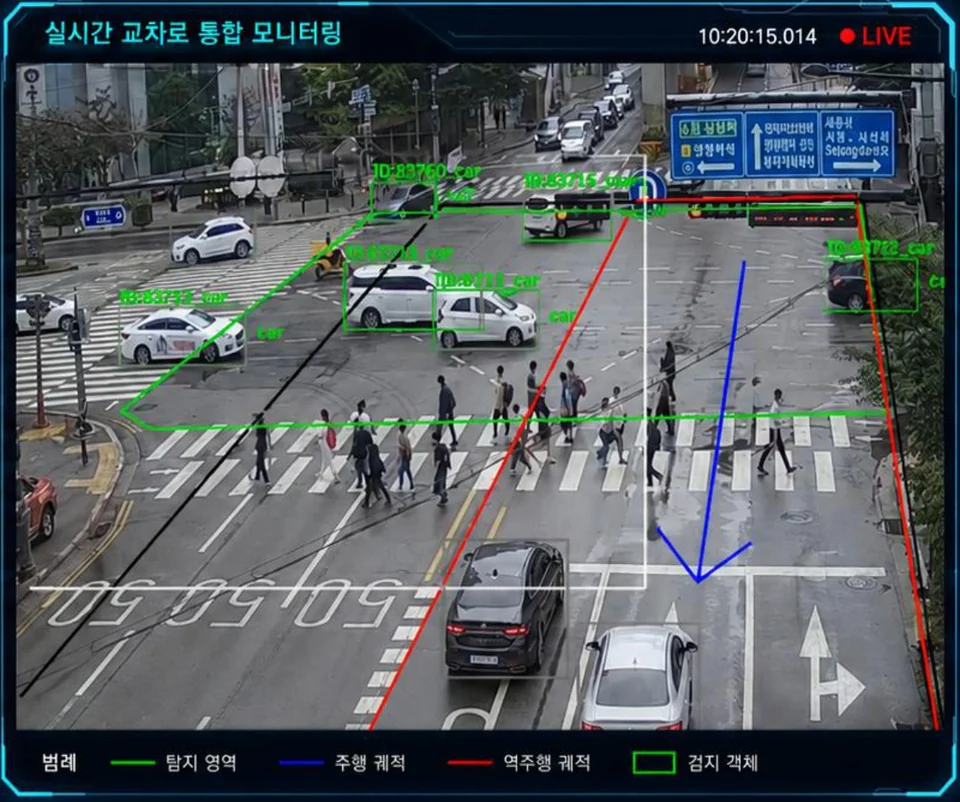 Video and traffic event analysis
AI · VISION
AI that quickly identifies signs of risk.
View detailsFIELD DEPLOYMENTS
Explore deployment locations and the integration of vehicles, intersections and control centers.
AUTONOMOUS MOBILITY
We developed data interfaces for multiple traffic information collection devices and an autonomous driving simulation vehicle, and carried out field integration tests.
LET’S MOVE FORWARD
From site conditions and product needs to implementation, operations and technical collaboration.