Approach-information integration
Links vehicle position, direction and estimated arrival time with intersection operations

TRAM · SIGNAL PRIORITY
Coordinates intersection traffic flow as trams approach.
Connects onboard and wayside communications, signal-priority control and integrated monitoring.
CONNECTED SIGNAL CONTROL
A signal-priority control system connects tram location and approach information with road signals. Onboard and wayside communications, intersection signal integration, integrated monitoring and simulation are configured together to coordinate tram operations and road traffic.
Links vehicle position, direction and estimated arrival time with intersection operations
Designs request, assessment, application and release workflows according to signal operating requirements
Review operational and device status, signal-processing records and results for each scenario
HOW IT WORKS
Link vehicle position, direction, speed and station departure information to identify the target intersection and estimated arrival time.
Configure assessments of whether and when to apply signal priority using estimated arrivals, service delays and intersection signal status.
Apply approved policies, including green extension and early green, within pedestrian and vehicle safety intervals and control limits.
Release the priority request after the vehicle passes and check normal signal operation and processing results. Records are available through monitoring.
PRIORITY STRATEGY
Review the time needed for passage and extend green time in the tram’s direction within permitted limits.
Start green earlier in the tram’s direction after allowing minimum green time for conflicting traffic and pedestrian safety intervals.
Design priority conditions and request-processing order using service delays, headways and road congestion.
OPERATING CONDITIONS
Define the permitted control scope using pedestrian crossing times, vehicle conflicts and vehicles remaining in the intersection.
Design procedures to suspend priority requests and maintain or restore existing signal operations when information is delayed, communications are lost or equipment fails.
Link device authentication, operator permissions and policy-change and control records to communications security and audit processes.
SYSTEM CONFIGURATION
Design communications, control and monitoring integration for existing signal equipment and control-center environments.
01 / ON-BOARD
Connect vehicle interfaces and onboard terminals to transmit position, direction and operational status to wayside systems.
02 / WAYSIDE
Exchange priority requests, signal status and passage information through wayside wireless networks and site integration devices.
03 / PRIORITY SERVER
Manage application conditions and request validity periods for each intersection, with request, approval, release and exception-handling workflows.
04 / CONTROL CENTER
Review vehicle, intersection and device status together, linking alerts, faults and signal-processing records to operational tasks.
Source: 2026 Company Profile, pages 20~22·26
Detailed models, installation requirements, integration scope and acceptance criteria are finalized through project review and approved specifications.
AX EXPERIENCE
Explore operational flows with Digital Twin and analyse results for different conditions with TPS/TSP.
01 / DIGITAL TWIN
View the route map and vehicle operations, then explore operational flows under different signal-priority strategies. Use playback, pause and map switching to navigate the simulation.
Opens in a new window. A wider desktop screen is recommended for detailed analysis.
02 / TPS & TSP
Set operating conditions and review speed, time and energy results. Menus cover operational analysis, TSP analysis, scenarios and operating plans, vehicles and energy, data and verification, and reports and integration.
Opens in a new window. A wider desktop screen is recommended for detailed analysis.
Compare journey time, energy and intersection impacts through simulations using vehicle, route and signal conditions.
ENGINEERING & DELIVERY
Configure and test communications equipment, signal interfaces and operational software together.
Routes and stations · Vehicle operating conditions · Intersection signal systems · Road traffic control-center integration
Wireless networks · Site interfaces · Signal-priority policies · Monitoring and security configurations
Onboard and intersection interfaces · Road traffic emulator integration · Verification of request, release and incident scenarios
Operational documentation · Staff training · Equipment and policy change management · Fault response
We review the implementation scope using the intersection scale, existing signal controllers and communications networks, and the implementation schedule.
SYSTEM FIT
Integrate onboard and wayside communications with intersection signals, and assess operating and signal conditions in advance through simulation.
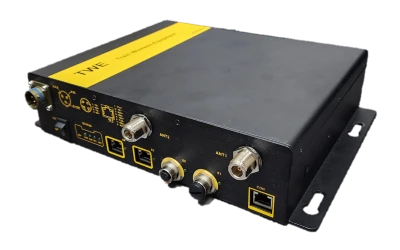
Forms a communications path between vehicles and wayside systems.
View product details ↗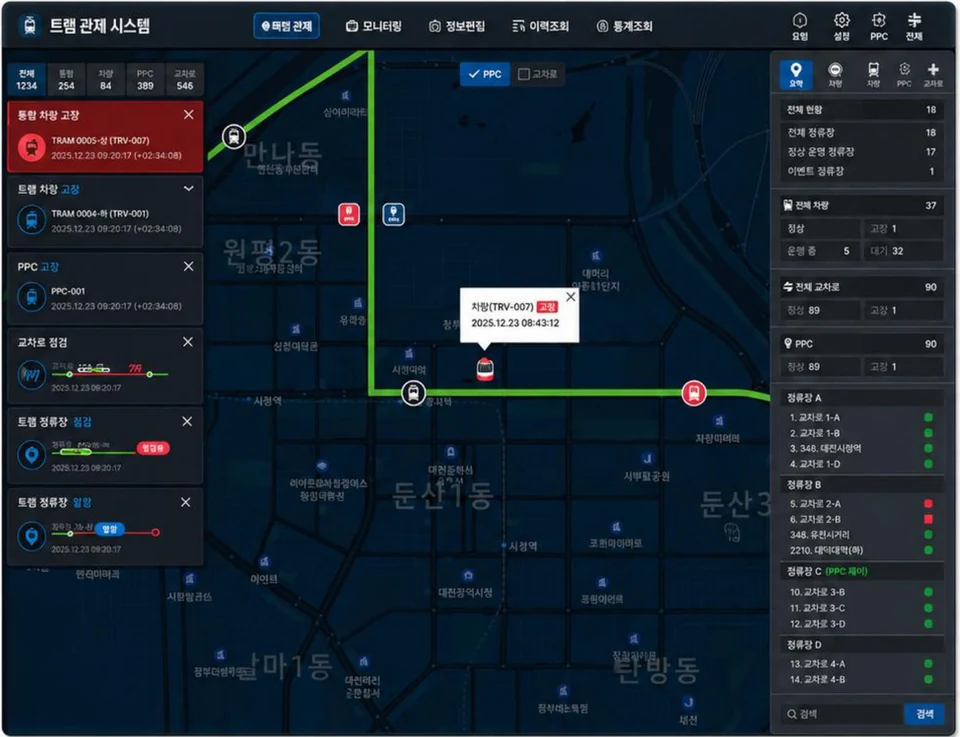
Links priority requests with signal-processing records.
Current product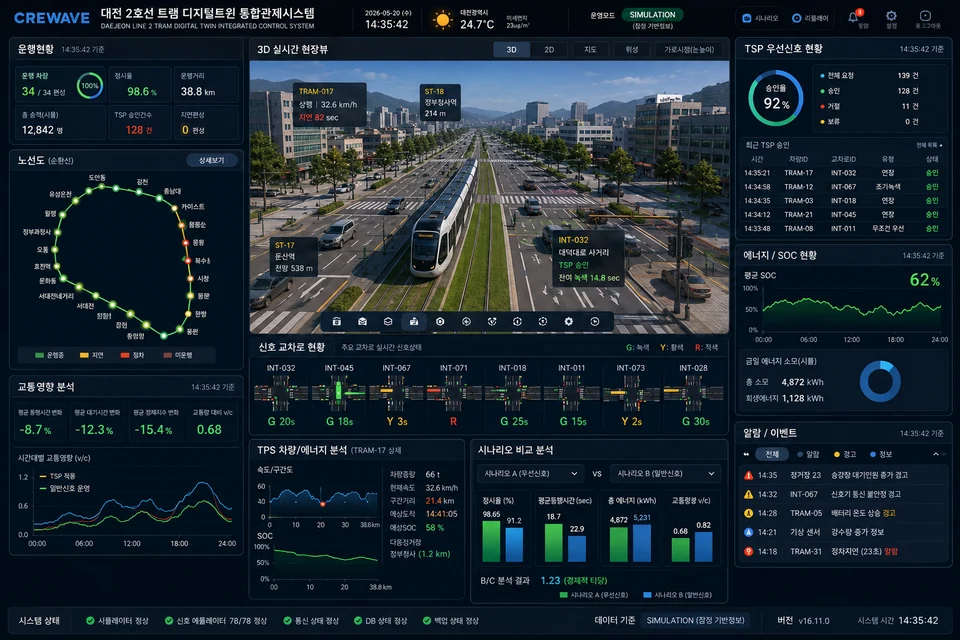
Compares operational and signal alternatives through simulation.
View product details ↗This configuration distinguishes monitoring from preliminary analysis. The simulators do not control live site signals.
BEFORE YOU START
Review each intersection’s controller and control-center environment, then design the integration scope around approved policies and safety intervals.
The simulators provided on this website are analysis interfaces for comparing operating and signal conditions. They are separate from live site control.
Tell us about the application environment and existing equipment so we can review the configuration you need.
Discuss the Tram Signal Priority Control SystemLET’S MOVE FORWARD
From site conditions and product needs to implementation, operations and technical collaboration.