Review original material and site information
The proposed analysis connects video, signals, surrounding conditions and device status for the site, device or event selected in cEMS. Information is matched to the event time and target.

cEMS / INTELLIGENT OPERATIONS
Proposed VLM/LLM feature configuration
cEMS · Intelligent Integrated Monitoring with VLM/LLM
Site and device management, video and events, faults and maintenance, and operational statistics.
A proposed integrated configuration adds VLM situation analysis and LLM evidence review to existing cEMS workflows.
01 / INTEGRATED cEMS OPERATIONS
01 / 04
Find the target site on the map and review normal or fault status and device information.
The proposed analysis uses site and device locations, communications status and reception times as context. Current status is distinguished from historical video.
02 / 04
Review event locations alongside site video to find the information needed to understand the situation.
The proposed workflow continues within the selected event with context-aware VLM reanalysis and LLM evidence comparison, presenting both observations and items still to be verified.
03 / 04
Review fault details, occurrence times, locations and action records together.
The proposed configuration uses an LLM to retrieve fault records and relevant manuals, and presents inspection procedures with sources. Operator checks and actions are linked to existing records.
04 / 04
Review device and service operational statistics to identify changes in site status and records.
The proposed configuration adds event-specific analysis, reviews and actions to existing operational statistics. AI suggestions are distinguished from operator-confirmed results.
This guide presents existing cEMS interfaces alongside the proposed VLM/LLM integration. The figures shown are not live operational data; integrated functions and data scope are finalized according to implementation requirements.
02 / CONTEXT TO EVIDENCE
The proposed configuration distinguishes facts visible in video from information needed for interpretation, presenting context-aware analysis and its evidence within the same event interface.
The proposed analysis connects video, signals, surrounding conditions and device status for the site, device or event selected in cEMS. Information is matched to the event time and target.
Add available information to initial observations to refine the explanation. Present what remains unchanged, what changes and what needs further checking.
Compare records linked to key explanations and check the material’s time, lane and target conditions. Distinguish consistent, conflicting and insufficient evidence.
The proposed configuration presents the final analysis, evidence used, unverified items and operator comments within existing event and action records, linking review results to fault, maintenance and statistics workflows.
Distinguish facts verified in the supplied material from assessments that need additional evidence. AI review results and operator verification status are shown separately.
03 / OPERATION SCENARIOS
The proposed features support context-aware analysis and follow-up checks for traffic-safety events and device operations.
Review signals and queues for the same time and lane. Distinguish interpretations consistent with waiting at a signal from items needing further material, such as whether the stop continued.
Video · Signal records · Before-and-after observations
Check occlusion, road-surface reflections, image clarity and environmental information. Separate visible observations from assessments requiring additional evidence, such as travel direction or a signal violation.
Image quality · Environment · Observation scope
Check the latest reception time and fault records, and present inspection procedures from relevant manuals. Distinguish historical video from current status to support site checks.
Reception history · Device status · Operational knowledge
This is a proposed VLM/LLM feature configuration with example interfaces using simulated data. Applicable functions and information are finalized according to site devices, available data and implementation requirements.
CAPABILITIES
Review communications status and operating information for each intersection and device
Integrate detected events, alerts, faults and action records
Compare information by section and review maintenance priorities
CONFIGURATION
Source: 2026 Company Profile, pages 11·13·14
Detailed models, installation requirements, integration scope and acceptance criteria are finalized through project review and approved specifications.
SYSTEM FIT
The Smart Crosswalk’s AI camera detects site conditions, while field devices and operational software each perform their own role.
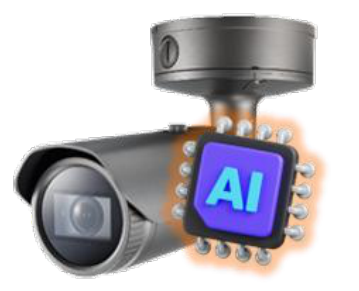
Analyses the status of pedestrians and approaching vehicles.
View product details ↗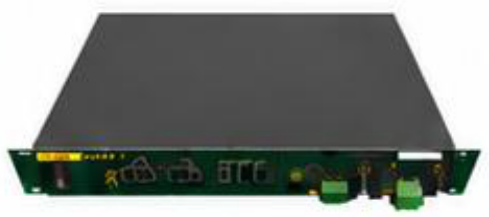
Connects detection information with signal and guidance devices.
View product details ↗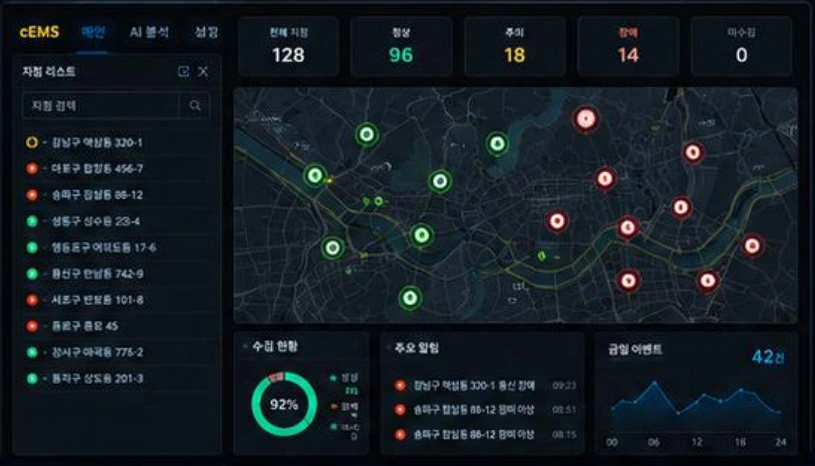
Manages site status and event and fault records.
Current productThe integration scope for signal controllers, guidance devices and control centers is designed for the site configuration.
BEFORE YOU START
The proposed configuration builds on site and device management, video and events, faults and maintenance, and operational statistics. Video and site information for the selected event inform VLM analysis; LLM evidence review and operator checks link to that event’s action and review records. Data and functional scope are finalized for the implementation requirements.
In the proposed cEMS analysis and review workflow, a VLM refines situation explanations using video and site information, while an LLM compares the explanation with relevant evidence. Device status and event records are reviewed together.
Review video and site records linked to key explanations alongside the applicable time and target. Insufficient or conflicting evidence remains an item for further checking. A single video frame does not establish an accident cause or signal violation.
The availability of signal records, environmental information, before-and-after video and device status varies by site. Available material and its applicable time and target determine the feature configuration.
We review the site communications network and control-center integration protocols, then agree on data-processing requirements for status, events and images. Integration scope and test conditions are defined before supporting the connection.
The AI camera detects site conditions; cEMS is software that manages the status and records of connected sites.
Tell us about the application environment and existing equipment so we can review the configuration you need.
Discuss cEMS integrated managementLET’S MOVE FORWARD
From site conditions and product needs to implementation, operations and technical collaboration.