
CREWAVE
NewsProject inquiry
CompanyESGEnvironment
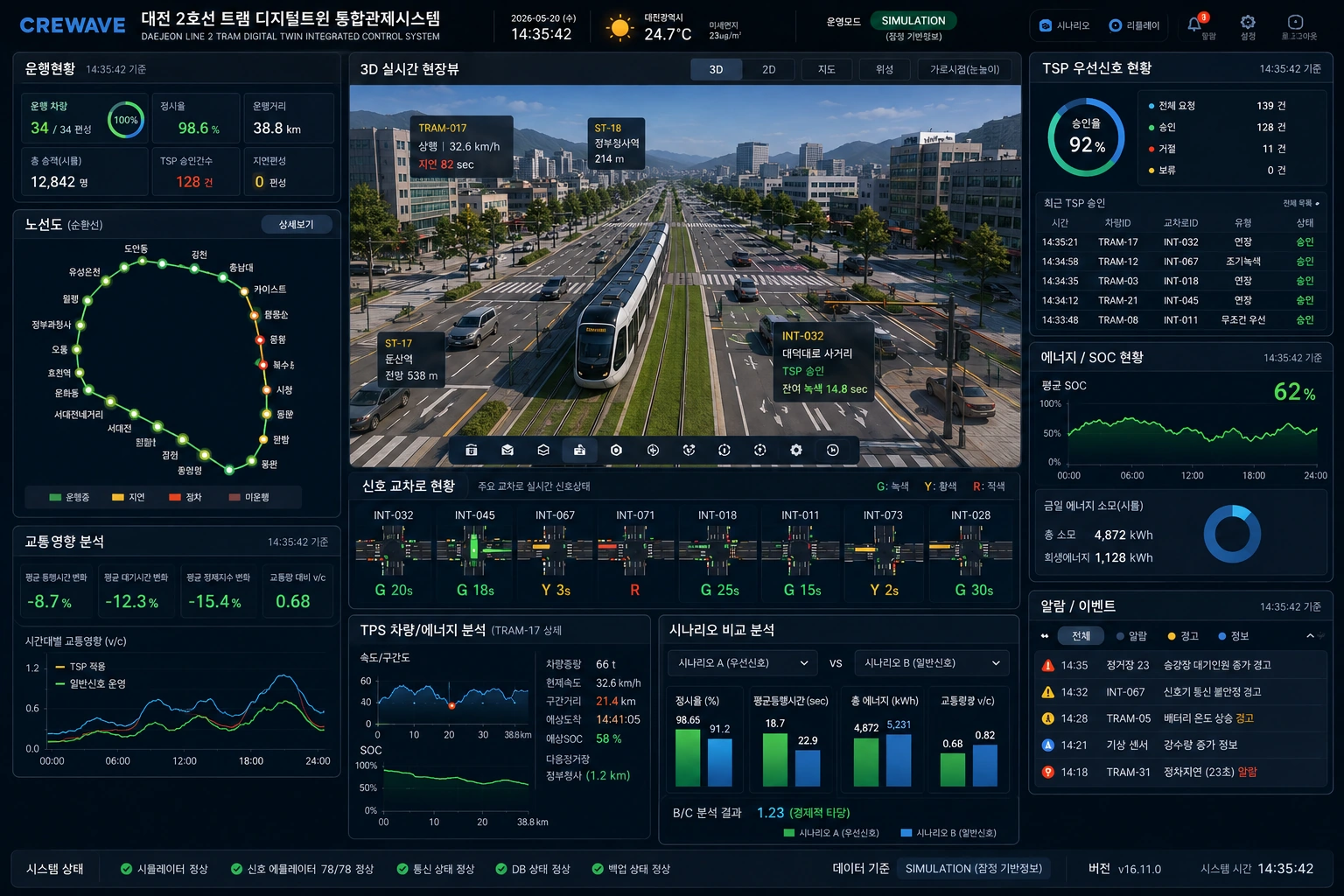
Example digital-twin traffic simulation interface
Digital-twin interface example. On-screen values are scenario examples, not environmental results.

ENVIRONMENT

Efficient mobility.
Technology built for its life cycle.

Consider transport efficiency and product life together. Examine energy and resource use, and explain the potential and limits of technology with comparable data.

DIRECTION

Extend the environmental view
to use and maintenance.

Understanding environmental effects requires attention to a system’s own electricity and materials as well as installation and operating conditions. Serviceable configurations, considered replacement decisions and transparent comparisons are useful starting points.

CONDUCT STANDARDS

Standards, checks and actions

Each item identifies the standard, what to check and the action when an issue is found. Implementation and its scope are reported separately with verified evidence.

01

Energy boundaries and source records

StandardDefine whether the boundary covers devices, networks, servers or a site. Do not present a device’s consumption as whole-system savings.

CheckRecord meter data, hours, load, measurement equipment and baseline period. Identify excluded equipment and differing comparison conditions.

ActionInvestigate anomalies or missing data and document corrections. Exclude savings figures that cannot be verified from external materials.

02

Simulation versus measured results

StandardDistinguish predictions, test results and operational measurements. Improved traffic flow alone does not establish a carbon reduction.

CheckAlign demand, vehicle mix, time windows, signal conditions and model versions when comparing options. State factors and formulas for emissions estimates.

ActionReassess results when inputs or validation scope change. Label results as predictions or tests until field validation is available.

03

Repair, replacement and product life

StandardConsider repair and reuse where quality, safety and security requirements are met. Do not default to whole-unit replacement before diagnosing the fault.

CheckCheck fault history, compatibility, firmware support, service access, obsolescence and post-replacement tests.

ActionRecord the repair-versus-replacement decision and hand over changed components and settings. State restrictions where reuse is unsafe or support has ended.

04

Materials and packaging

StandardSpecify packaging sufficient for transport and storage protection while avoiding unnecessary material. Reused packaging must still meet quality and safety needs.

CheckCheck cushioning, moisture and electrostatic protection, separation and recovery options. Inspect reused items for contamination, damage and protective performance.

ActionRevise packaging or supply arrangements after damage or excessive waste. Consider alternatives to materials that cannot be separated or recycled.

05

Recovery and disposal of electronic equipment

StandardHandle obsolete equipment, batteries and electronic parts under applicable waste and site procedures. Do not release equipment containing data without review.

CheckCheck ownership, data-erasure needs, battery condition, separation requirements and the receiving contractor’s suitability.

ActionRecord collection, transfer, disposal and erasure confirmation. Stop handling and escalate leakage, overheating or unauthorised removal concerns.

06

Restricted substances and environmental specifications

StandardSelect components against applicable customer, product and market restrictions and environmental specifications. Do not use another model’s report as evidence.

CheckMatch the manufacturer, part number, declaration or test version, substances and scope. Compare temperature, humidity, dust and water requirements with the site.

ActionResolve non-conformity or mismatched evidence through clarification or alternatives. Do not claim unrelated certifications or tests.

07

Environmental claims and reduction statements

StandardEnvironmental and savings claims require a verifiable scope and basis. Do not present plans or expected benefits as achieved results.

CheckCheck the baseline, comparator, calculation boundary, factors, source data, period and excluded life-cycle stages.

ActionRemove unsupported wording or clearly qualify its scope. Correct both figures and explanations when an error is found and retain the change history.

08

Site environmental compliance and records

StandardIdentify permits, notifications, emissions and waste obligations applicable to the site and activities. Keep product-efficiency information separate from site performance.

CheckReview permit scope and validity, energy and water use, waste handling and relevant emissions records by period. Explain non-applicability.

ActionAssign ownership and corrective action for omissions, expiry or exceedances. Do not delay required reporting or urgent action for an ordinary review schedule.

09

Chemicals, releases and ecological effects

StandardUse identified chemical containers and designated areas, following safety information for storage, mixing and protection. Keep installation within authorised land and work boundaries.

CheckCheck safety information, labels, spill-response provisions and disposal methods. Identify excavation, discharge or outdoor work affecting soil, water or vegetation.

ActionWhere safe, limit the spread of a release and alert the site owner. Record causes, recovery, restoration and recurrence-prevention actions.

IN PRACTICE

Connect the principles
to a working process.

Specific considerations depend on the site and contract.

  1. 01

    Set boundaries

    Devices, facilities and operating hours

  2. 02

    Set a baseline

    Comparable conditions and source records

  3. 03

    Compare options

    Use, maintenance and replacement

  4. 04

    Explain results

    Assumptions, units, scope and limits

Questions for review

  • Are measured values distinguished from predictions and simulations?
  • Have repair and component replacement been considered?
  • Do environmental figures have a boundary, period and method?

A PRACTICAL EXAMPLE

Comparing signal-operation options

TPS, TSP and digital twins can support scenario-based reviews of transport operations. For example, different signal strategies can be compared under the same traffic demand. Actual changes in energy or emissions require separate measurement boundaries and evidence.

Illustrative example for review

WORKING PRINCIPLES

Scope and working process

These are public conduct and review principles for work. Roles describe functions to designate for a task, not established departments or named appointments. Implementation and results require approved policies and records for the relevant period.

Scope

Review energy and resources in offices, development and testing; product materials, packaging and repairability; and waste or pollution risks during installation and maintenance. Distinguish direct control from customer operations.

Responsibilities

Design reviews lifetime, repair and material conditions; procurement checks supplier material information; site roles review storage, disposal and spill response. Data owners record units, periods and aggregation boundaries.

Conduct

Reduce avoidable resource use and consider reuse or repair. Check material handling requirements and separate waste appropriately. Energy or carbon-reduction claims require a defined baseline and calculation evidence.

Workflow

Identify resource, material and waste flows; review risks and requirements; compare design, purchasing and work options; then verify the outcome. For suspected spills or pollution, secure safety and use the responsible site escalation route.

Review and records

Maintain usage data, disposal/transfer evidence, material information and improvement records with their scope. Do not invent results for unmeasured items; distinguish gaps from plans to obtain data.

Concerns and improvement

Record impact, immediate action, follow-up and recheck results for environmental risks or data errors. Handle external concerns through an available dedicated route and review what can be disclosed.

KEEP THE CONVERSATION GOING

Need more context?

Ask us about public information and business applications.

General ESG inquiry

Messages reach the general inquiry recipients and require company, contact, email and privacy consent. Please do not send sensitive incident details or identifying records through this channel.

Guidance for sensitive concerns

Updated 2026-10-21 · Public ESG conduct standards and working guidance. Read implementation evidence within its stated scope.

Product image